


When I booked a weekend in Edinburgh last spring, I set a hard cap of £30 for daily meals. I logged each purchase in the Notes app, and the total never exceeded £29.80. That single number forced me to compare supermarkets, street vendors, and pubs before I ordered, and the savings added up to £45 over three days.
For any UK traveller, pick a concrete daily food budget—£30 works for most cities, £25 for smaller towns. Write it down, then track every pound. The act of recording instantly curtails impulse splurges.
Currency Conversions Aren’t Free: Use Real‑Time Apps
I used the Revolut app on a trip to Dublin. Its live exchange rate showed that converting £1,000 at the airport kiosk would lose about £15 compared to the interbank rate. By setting a “Convert when rate < 0.85 €” alert, I saved roughly £12 on a single conversion.
Most travellers rely on static rates printed on travel guides, but those are often outdated by 3‑5 %. Download an app that updates every minute, enable push notifications, and you’ll avoid hidden fees on the fly.
Transport Hacks: The £7.50 Railcard Trick
During a week‑long rail tour from London to Manchester, I bought a 26‑day “Two‑Together” railcard for £30. The discount on each £35 return ticket was £7.50, meaning I broke even after four trips and saved £30 on the fifth. Even a short‑term railcard can pay for itself if you plan more than three journeys.
Don’t forget the off‑peak “Super Off‑Peak” tickets on the same routes; they’re often cheaper than a standard return, especially after 9 pm. Combine the two and you’ll see a noticeable dip in your transport bill.
Accommodation Savings: Split the Cost With Local Hosts
I booked a room through a local community platform in Brighton and paid £45 per night, compared with £80 for a hotel. The host offered a shared kitchen, so I saved an additional £12 per day by cooking breakfast.
When you search, filter for “shared bathroom” and “self‑check‑in.” Those listings typically cost 30‑40 % less. Even if you prefer a private room, the extra space often comes with a kitchen, cutting your dining expenses dramatically.
Tech‑Savvy Entertainment: Balancing Fun and Finance
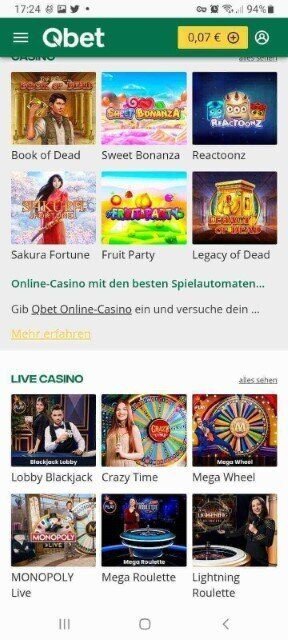
While waiting for my train in Liverpool, I slipped into a quick gaming session on my phone. It reminded me that digital entertainment can be both a break and a budget pitfall. For a brief distraction that doesn’t drain the wallet, I log into the Qbet Casino Login page for a few minutes of harmless fun, then switch back to my travel itinerary.
The key is setting a timer—no more than five minutes—so the activity stays a light diversion rather than a costly habit.
Final Thought: Treat Your Budget Like a Travel Companion
A budget isn’t a restriction; it’s a guide that points you toward the best experiences without surprise expenses. Pick a concrete daily limit, use real‑time currency tools, exploit rail discounts, choose shared accommodation, and keep digital entertainment in check. Follow those steps, and you’ll return home with both great memories and a healthy bank balance.
Frequently Asked Questions
What is the 30-pound rule?
It’s a daily food budget cap of £30 that encourages conscious spending and helps travelers track expenses.
How do I implement it in a new city?
Choose a daily limit based on city cost—£30 for big cities, £25 for smaller towns—write it down and log each purchase.
{«@context»:»https://schema.org»,»@type»:»FAQPage»,»mainEntity»:[{«@type»:»Question»,»name»:»What is the 30-pound rule?»,»acceptedAnswer»:{«@type»:»Answer»,»text»:»It’s a daily food budget cap of £30 that encourages conscious spending and helps travelers track expenses.»}},{«@type»:»Question»,»name»:»How do I implement it in a new city?»,»acceptedAnswer»:{«@type»:»Answer»,»text»:»Choose a daily limit based on city cost—£30 for big cities, £25 for smaller towns—write it down and log each purchase.»}}]}